
The real cost of the war with Iran
Like Iraq before it, today’s conflict is being sold cheaply. History suggests the bill could run into the trillions.

By Linda J. Bilmes
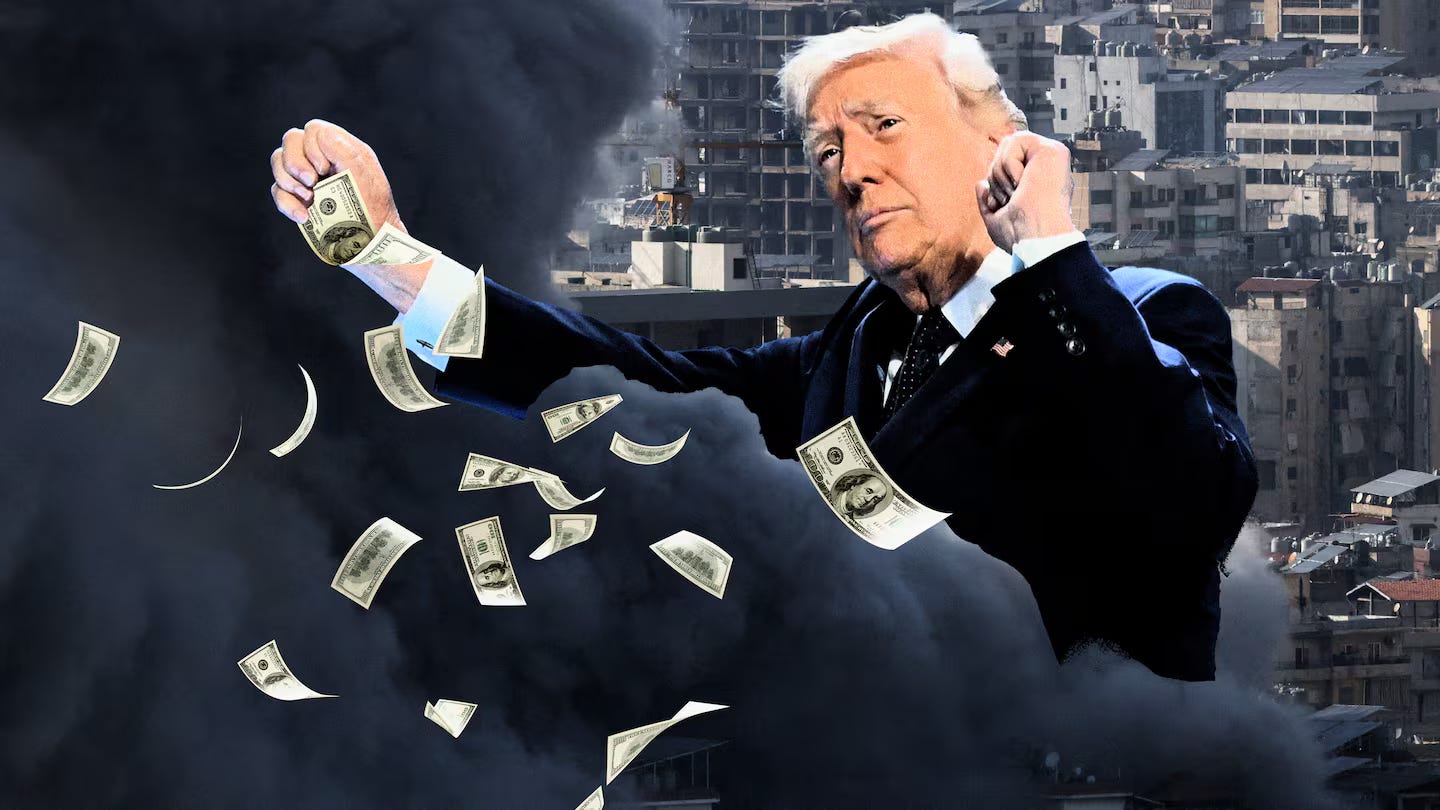
In the week since the United States and Israel bombed Iran, the Trump administration has been at pains to point out how this campaign is completely different from the disastrous invasion of Iraq in 2003. True, the military tactics are different. This war (so far) is being conducted entirely from the air, whereas in Iraq the US army mobilized more than 250,000 US and allied troops for a large-scale ground invasion. But in many respects, the new war echoes key traits from 20 years ago.
Operation Epic Fury is another war of choice with no imminent military threat to the United States. The Trump administration’s rationale for it has already changed several times. Once again, US leaders are optimistic about the outcome, with little planning for what lies ahead.
Above all, the costs of this war will be sharply higher than the numbers being bandied about now. The George W. Bush administration initially put the likely cost of the Iraq war at $40 billion. Economist Joseph Stiglitz and I discovered that the real cost would be at least $3 trillion. Estimates today put the true figure at $8 trillion.

These huge costs are already in motion in the Iran war. The United States spent $5 billion in preliminary actions against the Iranian-backed Houthis in Yemen last May and to take out Iran’s nuclear program the following month. The first week in Iran has already cost another $6 billion.
If the war continues for 3 or 4 weeks, we can anticipate that total operating costs, which are now running at close to $1 billion per day, will reach to $50 billion or more due to intensified action.
House Speaker Mike Johnson is certain to ask for another “emergency supplemental” appropriation this week. But a lesson from Iraq and Afghanistan is that these short-term budgetary costs are just the tip of a giant iceberg. Restocking inventories of expensive weapons, veterans’ benefits, and interest on the debt to pay for all of this will add up to significantly more than $1 trillion over the next decade. These costs must be paid, even when the fighting is done.
The long-term costs begin with replacing munitions, which nearly always cost more than the ones they replace. Moreover, the intensive air campaign will increase wear and tear on aircraft, ships, launchers, and other equipment. The maintenance bills and depreciation will be substantial. Even before the war started, Trump requested a stunning 50 percent increase in the Department of Defense budget from $1 trillion to $1.5 trillion. This would be the biggest increase since 1951, at the start of the Korean War.
Congress has not authorized the war in Iran and would ordinarily be lukewarm to boosting Pentagon spending without at least debating whether such funds should be used for other national priorities. But the backdrop of an ongoing war makes it more likely that Congress will approve a higher increase than Trump could otherwise have secured. Once a new base budget is agreed upon, this level of spending carries forward annually, and is extremely difficult to reverse.
The long-term cost is accelerated because all this military spending is being financed with more borrowing. This adds to the national debt, which is already $37 trillion — nearly 10 times bigger than when the United States invaded Iraq. And with interest rates sharply higher, at more than 4 percent compared to approximately 2.25 percent in the 2010s, this borrowing is expensive. We already pay 14 percent of the federal budget on interest payments; this war will push that number even higher.
Third, veterans’ costs endure long after the last shot is fired. The United States currently owes $7.3 trillion in future disability benefits to veterans from previous wars. More than 50,000 American troops are involved in Operation Epic Fury, including personnel serving on ships, air support, submarines, and bases throughout the Middle East. Many will be exposed to contamination and toxins from strikes on Iranian facilities. Any one of them who develops a new medical disorder (or aggravates an existing one) will become eligible for lifetime benefits and medical care. Assuming service members claim benefits at the rate of the short 1990 Gulf War, we can expect at least one-third of those 50,000 to be eligible, adding another $600 billion to $1 trillion in costs over the next decade.
On top of these financial costs will be the potential economic impact of the war. Higher oil prices, increased inflation, more business uncertainty, insurance upheavals, and lower economic growth are all big risks. It’s too early to know how large this impact might be, but if the war is protracted, these may well dwarf the budgetary outlays.
Linda J. Bilmes is coauthor of “The Three Trillion Dollar War” and teaches budgeting and public finance at the Harvard Kennedy School. Her book “The Ghost Budget: Paying for America’s Wars” will be published in the fall.
This article originally appeared on BostonGlobe.com on March 10, 2026.